
Building the Foundations: Practical Infrastructure for Small Livestock Producers
For many small and hobby livestock producers, infrastructure is one of the most underestimated areas of property planning. While purchasing livestock is often the exciting part, poor fencing, unreliable water systems and inadequate handling facilities can quickly create animal welfare issues, safety risks, biosecurity concerns and unnecessary stress for both livestock and handlers.
Good infrastructure does not need to be expensive or overly complicated, but it does need to be practical, safe and fit-for-purpose. Starting with the basics done well will generally deliver far better long-term outcomes than overstocking a property before infrastructure is ready.
Start With Water First
Reliable access to clean water should always be one of the first priorities on any livestock property. Water directly impacts animal health, weight gain, fertility, welfare and grazing distribution.
Many producers are now fencing livestock away from natural waterways to:
· Protect creek and river systems
· Reduce erosion and sediment runoff
· Improve water quality
· Support long-term land condition
· Reduce livestock bogging and contamination
By protecting waterways and pumping cleaner water into tanks and trough systems, producers can often improve both environmental outcomes and livestock performance.
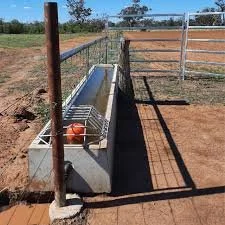
Reticulated trough systems also help distribute grazing pressure more evenly across paddocks and reduce livestock congregation around dams and creeks.
When planning water infrastructure, producers should consider:
· Storage capacity
· Flow rates
· Backup supply during drought
· Trough positioning
· Ease of cleaning and maintenance
· Future expansion
Fencing: Build It Right the First Time
Fencing is critical not only for stock containment but also for rotational grazing, biosecurity and overall property management.
External boundary fencing is often where producers should invest more heavily, as it provides the primary containment and protection for livestock. Common recommendations include:
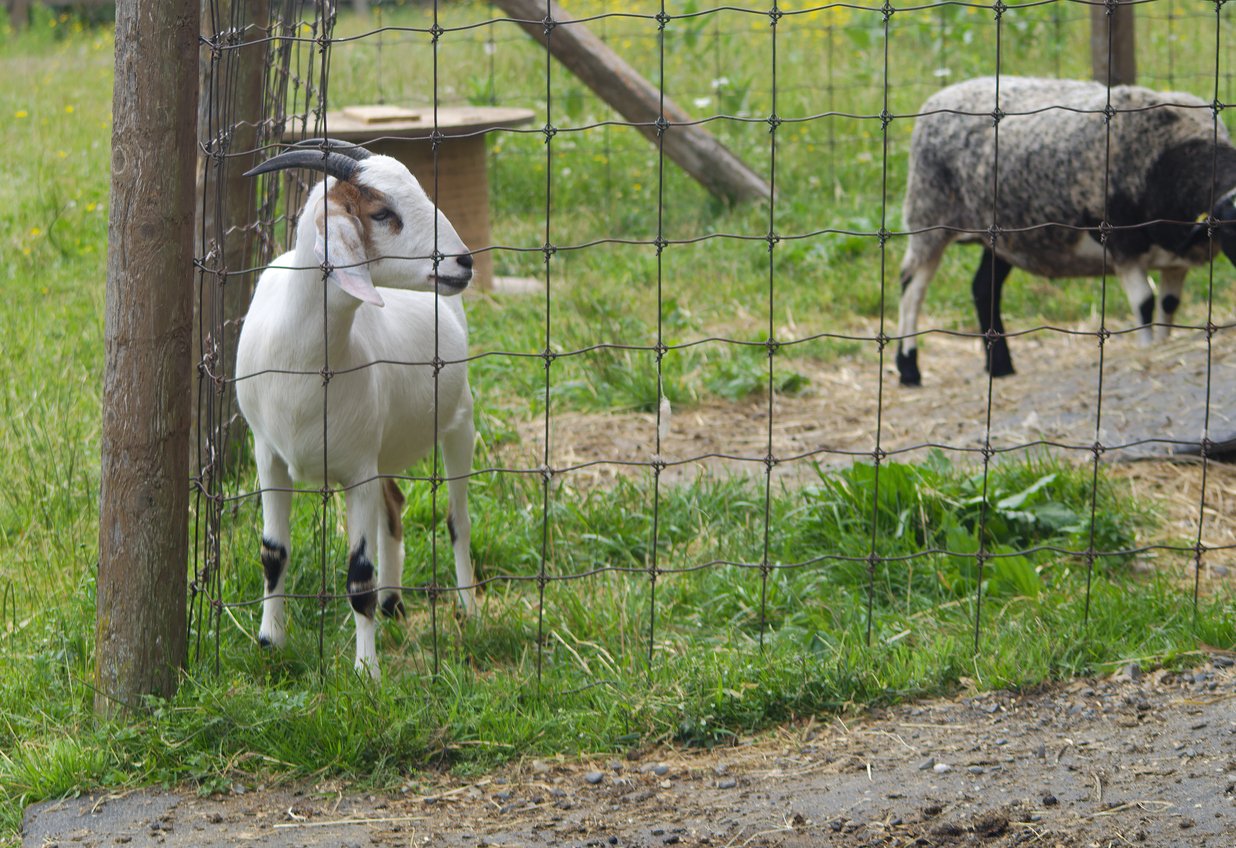
· Ringlock fencing for sheep, goats or mixed enterprises (also keeps feral animals and pests out)
· Five-strand fencing for external cattle boundaries
· Four-strand fencing for internal cattle paddocks
· Smaller holding paddocks near yards for easier management
For many small producers, internal electric fencing is one of the most cost-effective tools available. Electric fencing allows producers to:
· Implement rotational grazing
· Improve pasture utilisation
· Reduce fencing costs
· Create temporary paddocks
· Better manage stock pressure during seasonal conditions
There are also newer technologies emerging in the market, such as Halter, which has received positive feedback from producers for virtual fencing and livestock management applications.
Yards and Handling Facilities
Good yards are essential for safe and efficient livestock handling. Tasks such as vaccinations, NLIS tagging, pregnancy testing, weighing, drenching and loading all rely on having suitable facilities.
A well-designed set of yards improves:
· Animal welfare
· Handler safety
· Livestock flow
· Labour efficiency
· Stress reduction during handling
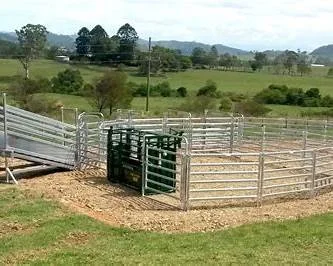
For cattle producers, an adequate crush and race system is extremely important. A poor handling setup significantly increases the risk of injury to both livestock and handlers. Safe yard design and livestock flow are heavily emphasised across Australian industry safety guidelines.
Basic handling infrastructure may include:
· Holding yards
· Forcing yards
· Drafting areas
· Race and crush/head bail
· Loading ramp
· Holding or recovery pens
Scales Are Not Negotiable
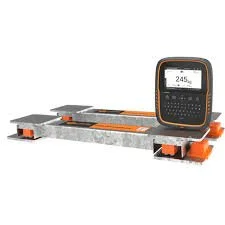
One area commonly overlooked by small producers is livestock weighing equipment. Scales are not simply a “nice to have” — they are an essential livestock management tool.
Accurate weights are critical for:
· Correct drench rates
· Veterinary dosage calculations
· Monitoring weight gain and performance
· Feed planning
· Sale preparation
· Animal husbandry decisions
Incorrect dosing due to estimated weights can contribute to animal health issues, treatment failures and drench resistance.
For producers not ready to purchase their own scales, there are often alternatives available. Local rural suppliers may offer hire options, and many livestock agents can assist with mobile weighing services prior to sale or transport.
Plan Before You Purchase Livestock
One of the most common mistakes new producers make is purchasing animals before infrastructure is ready.
Before livestock arrive on property, producers should ensure:
· Fencing is secure
· Water systems are operational
· Yards are functional and safe
· Handling equipment is adequate
· A Property Identification Code (PIC) is registered
· NLIS and LPA requirements are understood
· Biosecurity planning has been considered
Good infrastructure is not just about convenience, it underpins animal welfare, workplace safety, productivity and industry integrity.
Starting simple but practical, with reliable water, secure fencing and safe handling facilities, creates a strong foundation for long-term livestock management success in Australian conditions.
Getting it right the first time, means you have a more cost effective and profitable farm.
Kind Regards,
Amanda Burchmann
Livestock Production & Industry Development Specialist
Founder | Advocate | ProducerPhone: 0408847536
Email: amanda@jabagrisolutions.com.au
Disclaimer:
The information provided in this article is true and correct to the best of my knowledge at the time of publication. It is intended for general guidance and informational purposes only. Readers are encouraged to verify any information and seek independent advice relevant to their individual circumstances, particularly where legal, financial, or regulatory compliance matters are concerned.